
Introduction
Glycosylation is an principal put up-translational change that tremendously affects protein perform, stability, and interaction with other biomolecules. The difficult nature of glycosylation profiles adds complexity to the learn about of glycoproteomics, above all in the contexts of drug trend and bioconjugation. Mass spectrometry (MS) has emerged as a helpful device for interpreting these glycosylation styles, providing researchers with insights that were until now not possible.
In this article, we delve into the nuances of glycosylation profiling simply by mass spectrometry, studying its implications for bioconjugation and drug pattern. We will discover plenty of aspects resembling glycan mapping, glycoengineering, monoclonal antibodies, and healing glycoproteins. By the quit of this exploration, you’ll have in mind why studying glycosylation profiles with mass spectrometry is regarded as a recreation changer in those fields.
Understanding Glycosylation
What is Glycosylation?
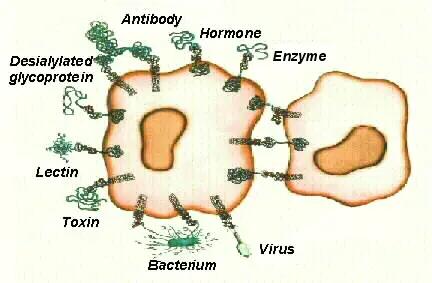
Glycosylation refers back to the enzymatic task through which carbohydrates (glycans) are covalently connected to proteins or lipids. This change performs a fundamental function in cell services which include cell phone signaling, immune reaction, and protein folding.
Types of Glycosylation
Why is Glycosylation Important?
The presence and format of glycans can affect protein conformation, biological exercise, and even immunogenicity. Understanding these systems is mandatory for constructing mighty therapeutics.
Analyzing Glycosylation Profiles with Mass Spectrometry: A Game Changer in Bioconjugation and Drug Development
Mass spectrometry permits for top-decision prognosis of glycan structures hooked up to proteins. This technological know-how allows for researchers to check not simply the presence of glycans yet also their categorical arrangements—facts valuable for the two know-how ailment mechanisms and designing specified treatments.
How Does Mass Spectrometry Work?
Mass spectrometry operates by means of ionizing chemical species and sorting them primarily based on their mass-to-price ratio (m/z). In the context of glycoproteomics:
Benefits of Using Mass Spectrometry for Glycan Profiling
- Sensitivity: Capable of detecting low-abundance glycans.
- Specificity: Provides particular structural guide about exceptional glycoforms.
- Speed: Rapid evaluation when compared to standard tips.
The Role of Mass Spectrometry in Glycoproteomics
Defining Glycoproteomics
Glycoproteomics combines proteomics—researching proteins—and glycobiology—the be trained of carbohydrates—to provide a comprehensive view of all glycopeptides found in a given pattern.
Techniques Used in Glycoproteomic Analysis
Applications in Drug Development
Therapeutic Protein Engineering
Mass spectrometry enables the layout of glycoengineered biologics with the aid of permitting scientists to control glycan systems deliberately all over protein synthesis.
Examples come with:
- Antibody-drug conjugates
- Enhanced monoclonal antibodies
Glycan-Based Therapeutics
Understanding glycan platforms can end in new healing approaches concentrated on different diseases using carbohydrate antigens that elicit immune responses.
Bioconjugation Techniques Enhanced by way of Mass Spectrometry
What is Bioconjugation?
Bioconjugation refers to the task the place biomolecules are covalently connected together—in most cases proteins with medicines or imaging marketers—to support therapeutic efficacy or tracking advantage.
Types of Bioconjugates Analyzed because of Mass Spectrometry
Challenges Faced in Analyzing Glycosylation Profiles
Despite its reward, numerous challenges continue to be while studying glycosylation profiles:
FAQ Section
1. What does mass spectrometry identify referring to glycans?
Mass spectrometry identifies both the presence and format of glycans attached to proteins, presenting insights into their realistic roles.
2. How does mass spectrometry make a contribution to drug advancement?
It adds critical tips about glycan buildings that influence drug efficacy, balance, and immunogenicity—important aspects while creating new therapeutics.
three. What is the importance of N-related vs O-connected glycosylation?
N-linked glycans customarily play roles in protein folding and stability whereas O-associated glycans typically outcomes mobile phone signaling pathways; know-how the two Click here! styles supports elucidate protein feature properly.
4. Can mass spectrometry differentiate among similar glycans?
Yes, superior MS recommendations can distinguish among intently connected glycan buildings based totally on their individual mass-to-charge ratios.
5. Why are glycoengineering thoughts most important?
They permit researchers to regulate glycan platforms deliberately on healing proteins modifying their effectiveness or cutting back side resultseasily.
6. How does lectin affinity chromatography relate to mass spectrometry?
Lectin affinity chromatography isolates extraordinary glycoproteins based mostly on sugar-binding properties before they go through mass spectrometric prognosis for distinctive profiling.
Conclusion
Analyzing glycosylation profiles with mass spectrometry represents a pivotal advancement in bioconjugation innovations and drug improvement methods with the aid of offering correct structural insights into problematical carbohydrate adjustments on proteins. As our realizing deepens by power studies efforts applying these complex methodologies, we may well unveil novel healing applicants more advantageous adapted for targeted infirmity objectives—ultimately recuperating affected person outcomes by smarter layout offerings grounded in solid clinical principles surrounding glycobiology.
This article deals an in depth examination into how interpreting glycosylation profiles riding mass spectrometry has modified processes inside of bioconjugate technological know-how and pharmaceutical innovation processes alike!

Be First to Comment